
There’s a moment every DM dreads. It’s not the dragon in its lair, or the betrayal from a trusted ally. It’s that split second when a player, eyes wide with curiosity, asks that one improv-breaking question: “What’s the name of this random guard?” or “Tell us about the history of this specific cobble on the street.” Suddenly, your carefully crafted three-hour prep session for the dungeon’s boss room feels… irrelevant, as you scramble to invent a backstory for a character who’s meant to be forgotten in five minutes. Or maybe it’s the opposite: you spent hours detailing the intricate political machinations of a city, only for your players to spend the entire session picking a lock on a shed. The constant pressure to anticipate every player whim, track every plot thread, and have infinite details at your fingertips can grind even the most dedicated Dungeon Master down.
This frustration isn't a sign of a lack of creativity; it's a symptom of a common DM challenge: trying to manage a vast amount of information with limited, often scattered, tools. The result is that we often spend more time preparing for the game than actually playing it, leading to that draining feeling of burnout. Traditional campaign prep often involves a sprawling notebook, scattered index cards, and a prayer that you can find that one stat block or NPC name when you need it. We juggle lore, NPCs, encounters, loot, and session notes, often with the grace of a goblin juggling hot coals. The result? Burnout, forgotten plot hooks, and that nagging feeling that you’re always one step behind your players.
Simple Planning Tricks: The Analog Advantage
Before we even think about digital tools, let's talk about getting back to basics with some rock-solid, pen-and-paper techniques that can dramatically improve your prep efficiency and in-session confidence.
1. The 3-Bullet NPC Anchor
Instead of writing a full biography for every innkeeper and town guard, distill each important NPC down to three core elements. Think of these as "anchor points" that define them.
- Core Trait: What’s their dominant personality trait or defining characteristic? (e.g., Gruff, Jovial, Suspicious, Obsessed)
- Secret/Goal: What are they hiding, or what do they secretly want? This is your plot hook engine. (e.g., Owes a gambling debt, Secretly a spy for the rival guild, Wants to find their lost locket, Believes the sky is falling)
- Player Hook: How can the players interact with or benefit from this NPC? (e.g., Knows a rumor about the stolen artifact, Can provide a discount on potions, Needs a favor done, Has a bounty on a local monster)
Example:
- NPC: Barnaby "Barney" Buttercup, Proprietor of The Gilded Goblin Inn
- Trait: Overly Enthusiastic & Gossipy
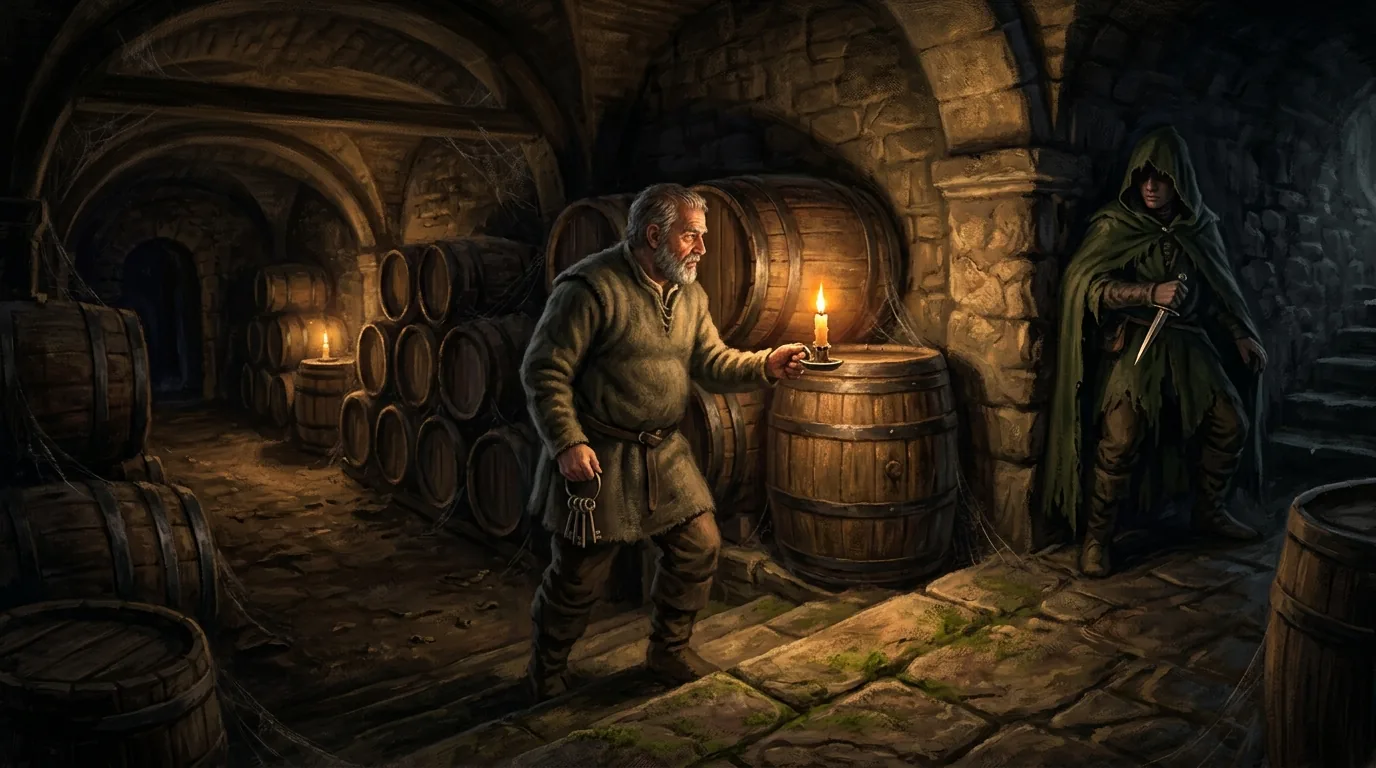
- Secret: He’s currently hiding a wanted bandit in his cellar to collect a bounty himself.
- Player Hook: Knows all the local gossip, can offer a "special" room (the one with the bandit), or might accidentally spill information about the bandit's associates.
2. The 60-Second Session Recap
At the end of every session, take precisely 60 seconds (set a timer!) to jot down three bullet points:
- Key Event: What was the single most important thing that happened?
- Player Choice: What was a significant decision the players made?
- Lingering Question/Hook: What’s the immediate unresolved element or cliffhanger?
This habit will build a powerful, condensed campaign log that’s invaluable for recalling what happened and setting up the next session. It’s far more useful than a sprawling narrative that you never have time to re-read.
3. The 3x3 Rumor Grid
For any town or area, create a 3x3 grid. Each square represents a different category of rumor:
- Top Row (Positive/Neutral): Local festivals, good harvest, friendly merchant, interesting discovery.
- Middle Row (Ambiguous/Uncertain): Strange lights, unusual animal behavior, a missing person (with no clear cause), rising tensions.
- Bottom Row (Negative/Dangerous): Monster sightings, increased bandit activity, political unrest, curse rumors.
This gives you a quick way to populate a tavern or town square with ambient information that can lead players down different paths, without needing to invent every detail from scratch.
Bringing it Together: A Sample Location
Let’s take these analog tricks and build a quick, usable scene. Imagine players arrive in the small, slightly run-down village of Oakhaven.
Oakhaven Village - Quick Prep Skeleton
-
Key Location: The Rusty Flagon Tavern
- Proprietor: Old Man Hemlock (3-Bullet NPC)
- Trait: Grumpy, but secretly kind-hearted.
- Secret: His granddaughter is sick, and he’s desperately trying to get coin for medicine.
- Player Hook: Can offer cheap ale, might grumble about "troublesome adventurers" but will begrudgingly offer information if pressed (especially if players show him a coin or two).
- Rumor Grid (3x3):
- Positive/Neutral: "Heard the annual Harvest Festival is planned to be bigger than ever this year." "A travelling bard passed through, sang a beautiful new ballad about a lost knight."
- Ambiguous: "Folks say they’ve seen strange lights near the old abandoned mill at night." "The river seems to be running lower than usual."
- Negative/Dangerous: "There’s been talk of wolves getting bolder, venturing closer to the village." "Old Mrs. Gable swears she saw a cloaked figure lurking by the graveyard last night."
- Proprietor: Old Man Hemlock (3-Bullet NPC)
-
Session Recap (from previous session):
- Key Event: Players defeated the goblin raiding party and recovered the stolen shipment.
- Player Choice: Decided to investigate the "strange lights" rumor in Oakhaven instead of heading directly to the next city.
- Lingering Question: What are those lights near the old mill?
How a D&D Campaign Manager App Like Inskryb Amplifies Your Prep
This is where a tool like Inskryb can become a powerful ally for your prep. Think of those analog tricks as your core strategy; Inskryb can help you build out the supporting structure for them.
Imagine you've just decided your players are headed to Oakhaven. Instead of manually writing out Old Man Hemlock’s details and filling in your rumor grid, you can use Inskryb to generate a baseline.
Inskryb Generated NPC Example (Old Man Hemlock):
Old Man Hemlock — Tavern Keeper (The Rusty Flagon, Oakhaven) Traits: Gruff exterior, observant, secretly compassionate. Secrets:
- His granddaughter, Elara, is gravely ill. He needs coin for rare herbs.
- He overheard bandits discussing a hidden stash of stolen goods.
Player Hooks:
- Can provide local gossip and rumors in exchange for a drink or small fee.
- Might offer lodging at a discount if players show kindness or willingness to help.
- Can point players towards less-traveled paths leading to hidden discoveries.
Potential Encounters:
- DM Hook: Hemlock leans over the bar, voice hushed: "Psst. Adventurers. You lot look like you can handle yourselves. Have you noticed anything unusual near the old mill lately?"
- DM Hook: A scruffy, one-eyed tavern cat darts out of the tavern, leading players toward a loose stone at the edge of town.
And for the town itself? Inskryb can suggest rumor categories and even flesh out some basic plot threads based on your campaign's themes. It’s not about replacing your creativity; it’s about giving you a powerful engine to generate the foundational elements so you can spend your energy on the truly magical parts of DMing – the character voices, the dramatic tension, the improvisational flair.
Inskryb also helps with things like:
- Encounter Building: Quickly generate stat blocks, creature tactics, and even environmental descriptions.
- Session Notes: Integrates your 60-second recaps and helps organize them.
- Worldbuilding: Generates lore snippets, item descriptions, and more, all organized and searchable.
- Player Tracking: Keeps track of player inventory, character backstories, and relationships.
The goal is to move you from spending hours on grunt work to spending hours on storytelling. A dnd campaign manager app, when used thoughtfully, becomes your most trusted ally in the never-ending quest to make your game fantastic.
So, try those analog tricks this week. See how much smoother your prep feels. And when you're ready to see how a digital tool can accelerate that process, check out what Inskryb has to offer. You might just find you have more time and energy for the fun stuff.