
You spend hours meticulously crafting a challenging dungeon, full of intricate traps and terrifying monsters. Players arrive, take one look at the ornate throne room, say "Nah, we're going to that inn down the street," and spend the next three hours playing dice games with NPCs you barely thought about. Or maybe you're mid-combat, the goblins are supposed to be in formation, but a player asks the random guard, "What's your favorite color?" and you freeze, the meticulously planned tactical masterpiece dissolving into a game of "uh, blue?"
This disconnect between your intense prep and their chaotic reality isn't just frustrating; it actively drains your DM energy, making you feel like your hours of work were wasted. Players might ignore your meticulously crafted dungeon to chase a squirrel, or ask a random goblin about its dietary preferences, leaving you scrambling for improvised answers or feeling like your hard work was for naught. The common culprit? Over-reliance on detailed, static plans that break the moment players sneeze in the wrong direction.
Engaging encounters aren't born from exhaustive, room-by-room prep. They’re built on a foundation of adaptable, evocative ideas. The goal isn't to predict every player move, but to have compelling elements ready to deploy that can twist and turn with their actions. It's about having a few well-chosen anchors that can bloom into full scenes.
Here's a simple, pen-and-paper technique that can save your sanity and elevate your game: the 3-Bullet NPC Anchor. Instead of writing a full backstory for every guard, merchant, or beggar, boil each significant NPC down to three core elements:
- A Defining Trait/Quirk: What makes them memorable? (e.g., Always polishing their spectacles, Has a nervous tic when lying, Speaks in hushed whispers).
- A Secret Desire/Fear: What do they really want or dread? (e.g., Wants to own a tavern, Terrified of rats, Secretly in love with the mayor).
- A Hook/Connection: How can they relate to the players or plot? (e.g., Owes a debt to the party's patron, Has seen the suspicious figure the party is looking for, Knows a shortcut through the sewers).
Let’s flesh this out with an example. Imagine your players are in the bustling port town of Oakhaven. They need information about a stolen artifact. The town guard captain, Barnaby Flint, seems like a likely source.
NPC Anchor: Captain Barnaby Flint
- Trait: Gruff but fair, with a booming laugh that he tries to suppress. Wears his uniform impeccably.
- Desire/Fear: Desperately wants to impress the visiting Duke but secretly fears his own incompetence will be exposed.
- Hook/Connection: The stolen artifact was being guarded by his men, and he feels personally responsible for its disappearance. He knows the smuggler's routes because his own son used them to run away years ago.
This simple framework gives you a solid, playable NPC without needing pages of backstory. If a player asks Barnaby about his hobbies, you can say, "He'd probably scoff, but I bet he secretly enjoys tending his small, prize-winning rose garden back at his modest cottage. It's his quiet escape from the daily grind." If players push about the theft, you have his personal stake and knowledge of smuggler routes ready.
Another pain point is the sheer variety of threats and challenges. How do you prepare for every eventuality without drowning in notes? The Modular Encounter Map is your friend. Instead of detailing every room or eventuality, have a few core 'building blocks' ready. Grab an index card and jot down:
- Location Element: A brief description of the environment (e.g., Crumbling temple entrance, Gloom-filled cave mouth, Busy caravan stop).
- Core Conflict Type: What's the primary challenge? (e.g., Ambush, Puzzle, Social Negotiation, Environmental Hazard).
- Twist/Complication: What unexpected element can spice it up? (e.g., Reinforcements arrive, An NPC betrays them, The ground gives way).
When players head towards the 'crumbling temple entrance' (Location Element), you can decide the 'Core Conflict Type' is an 'Ambush.' Then, pull a 'Twist/Complication' like 'Reinforcements arrive' to make it more dynamic. This makes your prep adaptable, not exhaustive.
These analog tricks are excellent for focused, adaptable prep. When you're looking to speed up the creation of those foundational elements, a tool like Inskryb can serve as a valuable assistant. Think of it as a way to quickly generate variations and detailed starting points for your NPC anchors or encounter structures.
For instance, using the generator, you could input:
- Location Type: Ruined Temple
- Encounter Type: Combat
- Difficulty: Medium
In seconds, Inskryb could generate:
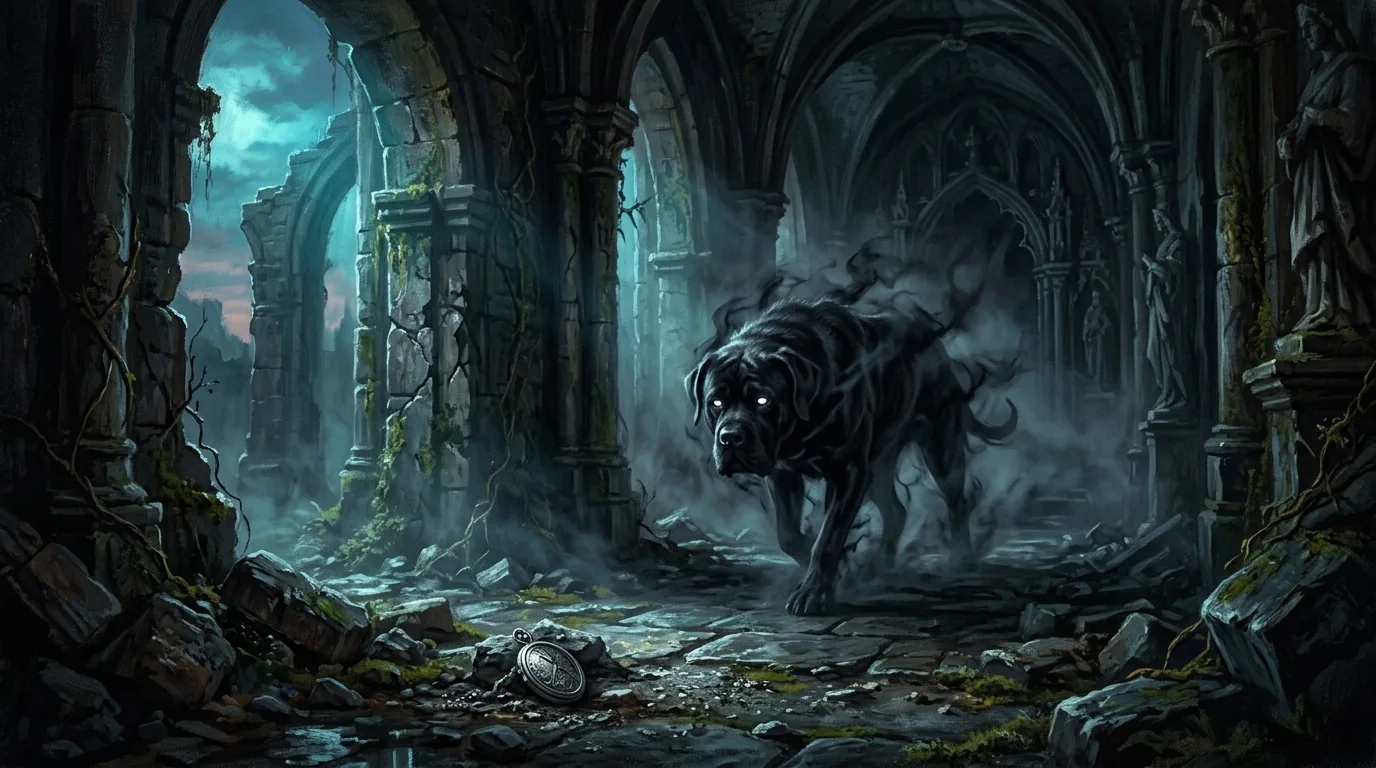
The Guardian's Echo Creatures: 1x Shadow Mastiff, 3x Cult Fanatics Environmental Cues: The air grows unnaturally cold. Eerie whispers echo from crumbling alcoves. Shadows writhe in the periphery. A faint, sickly sweet scent hangs in the air. (Use these to set the mood and hint at the Shadow Mastiff's presence.) Potential Loot: A tarnished silver locket (worth 25 gp, contains a faded portrait of a woman), 50 gp in scattered coins, a Potion of Healing. (This locket could be a plot hook, or a memento of the cult's past.) DM Tactical Guidance: The Shadow Mastiff excels at isolating targets; use its Shadow Blend ability to appear and disappear between the alcoves, forcing players to deal with its advantage. The Cult Fanatics should try to funnel players towards the mastiff, using their ranged attacks to suppress any who try to flank or get too close to their leader. Have one Fanatic break off to protect the loot if it's threatened.
This isn't a script; it's a springboard. You still get to tweak the creatures, add your own narrative flair, and integrate it with your existing world. But Inskryb has handled the stat blocks, the environmental cues, and even suggested loot, freeing you to focus on the story of the encounter.
You can use Inskryb to generate the core of your NPC anchors, too, quickly getting trait suggestions, potential motivations, and plot hooks. Imagine feeding it "Town Guard Captain" and getting back multiple anchor suggestions you can then refine.
The key to running better D&D encounters isn't just about preparation; it's about smart preparation. It's about building a flexible framework that allows for player agency while maintaining narrative cohesion. By adopting simple planning tricks like NPC anchors and modular encounter structures, and by using tools that handle the foundational work, you can spend less time worrying about the minutiae and more time creating memorable moments at the table.
Give the 3-Bullet NPC Anchor a try tonight with your next NPC. Or, explore how a tool like Inskryb can generate those foundational elements for you, giving you more mental bandwidth for what truly matters: the story you tell together.